Understanding the Importance of Aviation Education
Aviation education is crucial for anyone aspiring to start or advance a career in the dynamic field of aviation. With the industry constantly evolving due to advancements in technology and regulatory reforms, a strong educational foundation becomes essential. Comprehensive education not only encompasses flight training but also covers areas such as aerodynamics, navigation, aviation safety, and air traffic management. When exploring options, link gacor provides comprehensive insights into the numerous academic paths available in aviation, ensuring aspiring professionals can make informed decisions about their future. This foundation prepares students to overcome the challenges they may face in a competitive job market, ensuring they are well-equipped to excel in various capacities within the aviation sector.
The Role of Certifications in Career Advancement
Certifications play a vital role in career advancement within the aviation industry. They serve as proof of an individual's skills and commitment, making them more attractive to potential employers. The aviation field requires several certifications ranging from private pilot licenses to airline transport pilot licenses, and each step in certification signifies extensive training and adherence to safety standards. Having multiple certifications can open doors to higher-level positions, allowing professionals to climb the career ladder more efficiently.
Choosing the Right Academic Program
Choosing the right academic program is paramount to shaping a successful career in aviation. With a variety of programs available, from pilot training to aviation management, understanding the differences can help students select the best fit for their career aspirations. It's essential for students to consider factors such as course content, faculty qualifications, and internship opportunities, as these aspects influence the overall educational experience and effectiveness.
Benefits of Smaller Class Sizes for Student Success
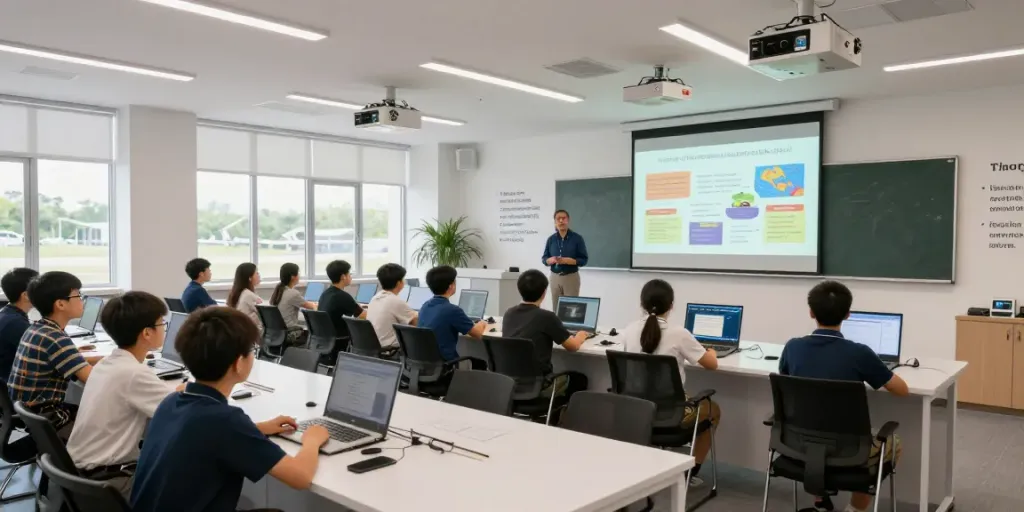
Smaller class sizes are a significant advantage in aviation education, offering numerous benefits that contribute to student success. With fewer students in the classroom, instructors can provide personalized attention and support, enhancing the learning experience. This structure encourages active participation in discussions and practical exercises, allowing students to develop their skills more effectively. Furthermore, the opportunity for one-on-one mentorship with experienced faculty can catalyze a student’s learning process, better preparing them for their future careers.
Innovative Learning Methodologies in Aviation
The landscape of aviation education is rapidly changing, integrating innovative learning methodologies to enhance the training experience. These new approaches leverage technology and experiential learning to engage students and deepen their understanding of complex aviation concepts.
Hands-On Training vs. Theoretical Learning
While theoretical knowledge is essential in aviation education, hands-on training is invaluable in preparing students for real-world scenarios. Practical training allows students to apply the concepts they learn in the classroom, solidifying their understanding and boosting their confidence as they transition into their professional roles. Flight simulations, for example, provide safe environments for students to practice decision-making and problem-solving skills that they will require in their flying careers.
Technology Integration in Aviation Education
Technology plays a crucial role in modern aviation education. The integration of flight simulators, online learning platforms, and virtual reality training programs enhances learning and mimics real-life aviation conditions. This technology not only supports independent learning but also prepares students for the technological demands of the aviation industry, ensuring they remain competitive and informed.
Collaborating with Industry Professionals
Collaboration with industry professionals is a key element in aviation education that benefits students immensely. Guest lectures, workshops, and internship opportunities provide students with insights from seasoned professionals, enriching their educational experience. These interactions encourage networking and can lead to mentorship and employment opportunities, bridging the gap between education and real-world applications.
Pursuing Research and Internship Opportunities
Engaging in research and internship opportunities is vital for students aiming to gain a competitive edge in the aviation industry. These experiences not only enhance students' resumes but also provide them with practical skills and industry exposure that are highly valued by employers.
Connecting with Leading Aviation Companies
Establishing connections with leading aviation companies during academic studies can significantly impact a student's career trajectory. Many educational institutions facilitate partnerships with industry players to offer students internships and research projects that reflect current trends and innovations within the aviation field.
The Impact of Fellowships on Career Prospects
Fellowships are another effective way to gain in-depth knowledge and training in specific aviation areas. These prestigious positions often provide funding for students to pursue research or specialized training, offering them unique insights that can set them apart from their peers. Successful fellowship recipients often see enhanced career prospects as they emerge not only with advanced skills but also with notable experiences that increase their employability.
Student Resources for Research Initiatives
Students have access to a multitude of resources to support their research initiatives, including library databases, academic journals, and mentorship from faculty members. Utilizing these resources can lead to impactful research that contributes to advancements in aviation safety and technology. Participating in research initiatives also enhances critical thinking and analytical skills, both of which are crucial in the aviation sector.
Career Pathways After Graduation
The aviation sector presents a wide array of career pathways for graduates, spanning multiple disciplines and roles that cater to diverse interests and skills. Understanding these pathways is vital for students when navigating their career options post-graduation.
Exploring Diverse Roles in Aviation
Graduates can pursue various roles, including commercial pilots, flight engineers, air traffic controllers, aviation managers, and safety experts. Each role requires distinct competencies and training but shares a common goal of ensuring safety and efficiency within the aviation industry.
The Benefits of Networking in the Aviation Sector
Networking is essential in the aviation field, providing vital connections that can help graduates land jobs and career advancements. Participating in industry events, joining professional organizations, and using social media platforms for networking can greatly enhance a graduate’s chances of success. Building a strong professional network contributes to increased visibility and access to opportunities.
Staying Updated with Industry Trends
In the fast-paced aviation industry, staying updated with current trends and developments is crucial for ongoing career growth. Graduates must continuously engage in professional development through workshops, seminars, and additional certifications to remain knowledgeable about the latest regulatory changes, technologies, and safety practices.
Future Trends in Aviation Education
Aviation education is poised for significant developments, influenced by emerging technologies and changing industry needs. These trends will inevitably shape how future generations approach aviation training and education.
Emerging Technologies Transforming Training
New technologies, such as artificial intelligence, machine learning, and advanced simulation tools, are transforming training methodologies. These technologies allow for more personalized and adaptive learning experiences and provide candidates with realistic flying scenarios, which contribute to deeper skill acquisition and retention.
Adapting Curriculum to Global Standards
As the aviation industry becomes increasingly globalized, education programs must adapt to meet international standards. This includes updating curricula to align with global aviation regulations and ensuring that graduates are equipped to work in diverse environments worldwide.
The Importance of Continuous Education in Aviation
Continuous education remains a focal point for aviation professionals. As the industry evolves, so too must the knowledge and skills of those within it. Ongoing training and education help professionals keep pace with technological developments and regulatory updates, ensuring optimal safety and performance in aviation operations.